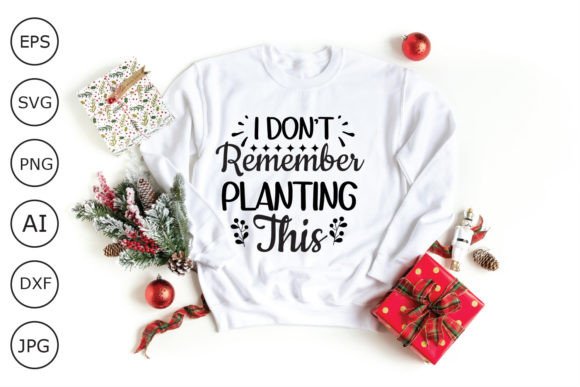
I Don’t Remember Planting This SVG
First Impression: A Wink, Not a Shout
When I opened I Don’t Remember Planting This SVG, I didn’t see just another plant quote—I saw a mood. It’s playful but grounded, slightly chaotic (in the best way), and unmistakably handmade in spirit. The layout leans into organic asymmetry: a loosely sketched cactus or houseplant anchors one side, while the phrase curls around it like a vine—casual, not rigid. There’s no heavy shadowing or tight kerning; instead, there’s breathing room, uneven line weights, and subtle imperfections that signal “human-made,” not algorithm-generated. That’s gold for crafters who sell personality, not perfection.
Where It Lives Best: Real Projects, Real People
Last week, I prepped this design for a custom embroidered tote bag destined for a local plant shop’s holiday pop-up. Cotton canvas, medium-weight stabilizer, 40-weight thread in sage and charcoal. The result? Instant recognition—and smiles. Customers paused mid-aisle, pointed, and said, “That’s me.” That’s the quiet power of I Don’t Remember Planting This SVG: it doesn’t decorate—it connects. It works beautifully on sweatshirt cuffs, apron pockets, tea towel hems, and baby onesie back panels where charm matters more than precision. As a machine embroidery design, it breathes well—no over-stuffed fill stitches, no micro-details begging to vanish in thread.
What Holds Up (and What Needs a Second Look)
This SVG shines on stable, medium-to-heavy fabrics: canvas totes, denim jackets, linen pillow covers, cotton twill caps. Its open letterforms and modest scale (roughly 3.5–4.5” wide depending on your resize) stitch cleanly without aggressive satin stitch borders or dense underlay. That makes it forgiving for small business owners running batch orders on home machines.
But—let’s be real—it’s not universal. On thin knit t-shirts or stretchy jersey, the phrase’s slight irregularity can blur unless you use cutaway + tear-away combo stabilizer and reduce stitch density manually. On dark fabric, test contrast first: light green or cream thread reads warmly, but pale yellow may disappear. And avoid cramming it into hoops smaller than 4x4”—the trailing vine motif loses its rhythm when compressed.
Where to Pause Before Stitching
- Curved surfaces: Caps and baby beanies need careful hooping and possibly reduced stitch count—those looping letters don’t wrap smoothly without adjustment.
- Frequent-wash items: Baby bibs or kitchen towels benefit from tighter satin stitch edges or a light outline stitch—this design’s relaxed lines soften faster than bolder fonts under repeated laundering.
- Detailed corners: The tiny leaves near the “g” in “Planting” are charming but delicate. On textured fabrics like burlap or looped terry, they risk snagging or filling unevenly—consider simplifying them in your editing software if needed.
Why It Builds Trust—Not Just Traffic
As an Etsy seller and embroidery designer, I’ve watched customers scroll past perfect, sterile quotes and stop cold for phrases that feel *lived-in*. I Don’t Remember Planting This SVG delivers that. It signals authenticity—not just in theme, but in execution. When stitched well, it elevates a plain tote into a conversation starter, a basic sweatshirt into a signature piece. That builds repeat buyers. It also plays nicely with branding: pair it with minimalist plant illustrations or neutral-toned mockups, and it fits boutique aesthetics without shouting. No forced whimsy. No cringe-worthy clichés. Just warmth, wit, and visual clarity.
Designer Notes You’ll Actually Use
Before cutting fabric or listing on your shop:
- Test on scrap fabric—same weight and weave as your final product.
- Check thread color contrast on both light and dark backgrounds using a simple black-and-white printable mockup.
- Review stitch density in your embroidery software—especially around the cactus spines and letter terminals. If it looks overly dense, reduce by 10–15%.
- Confirm hoop size compatibility—most versions will fit comfortably in a 5x7”, but verify before digitizing or purchasing.
- Inspect small details at actual stitch-out size: zoom in on your screen and ask, “Will this hold up after three washes?”
- Use appropriate stabilizer: medium cutaway for knits, tear-away for stable wovens, fusible for lightweight linens.
- Double-check licensing—if you’re selling finished embroidered products, confirm the Graphics license permits commercial use. If reselling the file itself, ensure it’s cleared for digital embroidery file distribution.
Final Thought: It’s Not Just a Design—It’s a Vibe Anchor
I Don’t Remember Planting This SVG isn’t about botanical accuracy or flawless symmetry. It’s about capturing the joyful, slightly absurd reality of plant parenthood—the surprise sprout, the forgotten pot, the cheerful chaos of life growing in unexpected places. For craft business owners, that resonance translates directly to engagement, shares, and repeat sales. Used thoughtfully—with attention to fabric, stabilizer, and context—it becomes more than a Crafts asset. It becomes part of a story your customers want to wear, gift, and live inside. And in today’s market? That kind of quiet authenticity is the rarest, most valuable thread of all.