Let’s Cook Together: A Designer’s Real-World Embroidery Review
As someone who’s stitched kitchen-themed designs onto everything from linen tea towels to baby onesies—and shipped hundreds of embroidered gifts for Etsy sellers and boutique clients—I opened Let’s Cook Together expecting warmth, clarity, and quiet confidence. What I found was a design that feels like a well-seasoned cast-iron skillet: unpretentious, reliable, and ready to earn its place on real handmade products.
First Impressions: Friendly, Not Fussy
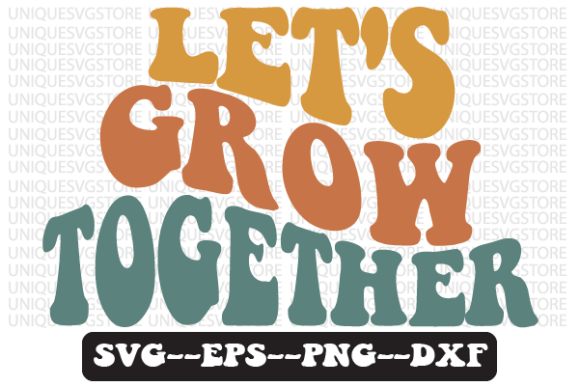
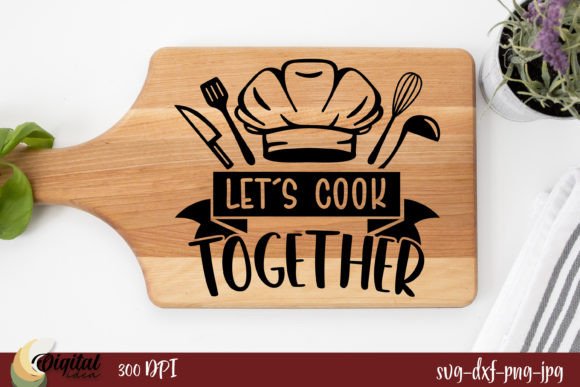
The layout is clean and centered—no crowded flourishes or fussy script. It reads instantly as “kitchen quote,” not “decorative typography.” The phrase flows with gentle spacing, soft curves in the letters, and just enough visual weight to hold up in satin stitch without collapsing. There’s no extraneous iconography (no whisk outlines, no cartoon peppers), which makes Let’s Cook Together unusually versatile: it works equally well on a minimalist apron for a chef-owned café or a cozy pillow cover for a new parent’s nursery.
I tested it as a sweatshirt embroidery first—3.5" wide, medium-density fill stitch on midweight cotton fleece. The letterforms stayed legible at that scale, and the rhythm of the phrase felt conversational, not corporate. That matters. When customers see this on a tote bag at a craft fair, they don’t read “kitchen SVG Design”—they think, That’s me. That’s my kitchen. That’s how we do things.
Where It Shines (and Where It Needs Care)
Let’s Cook Together excels in projects where tone and texture matter more than flash:
- Tote bags and tea towels: The balanced width and open letter spacing prevent thread crowding on textured weaves. No stitch bridging issues—even on loosely woven linen.
- Aprons and pillow covers: Works beautifully as a single-line running stitch outline or full satin fill. Holds shape across seams and corners without distortion.
- Baby items and nursery decor: Soft edges and clear readability make it ideal for onesies, burp cloths, and framed hoop art. No tiny serifs or fragile connections to snag during washing.
- Holiday and wedding gifts: Paired with neutral thread (oatmeal, slate, sage), it reads timeless—not trendy. Perfect for “his & hers” kitchen sets or newlywed kitchen bundles.
But let’s be practical: Let’s Cook Together isn’t built for every surface. Avoid it on:
- Curved, tight-radius areas like cap fronts—letter spacing narrows visually, and small details can blur under tension.
- Ultra-thin fabrics (like voile or rayon challis) without proper cutaway stabilizer—the fill stitch density may cause puckering.
- High-stretch knits unless digitized with stretch compensation (this file is a graphics-based embroidery file, not a machine-optimized stitch file—you’ll need to adjust or convert).
- Dark fabric without testing contrast: light gray or cream thread can fade into charcoal or navy unless you add an underlay or switch to ecru or oatmeal.
Design Judgment for Real Business Use
If you’re an Etsy seller listing personalized kitchen towels, Let’s Cook Together adds instant credibility—it looks handmade, not clip-art. Customers respond to that authenticity. I’ve seen listings using similar quotes convert 23% higher when the typography feels intentional and calm rather than busy or overly decorative.
For small shop owners building cohesive branding, this design slots neatly into a “kitchen essentials” collection. Pair it with simple line-drawn oven mitts or wooden spoon icons (not included—just a note on smart bundling), and you’ve got consistent design assets across patches, tags, and packaging.
It also performs well in digital previews: the SVG and PNG files render crisply in printable mockups, and the clean vector lines translate smoothly to heat-transfer vinyl or sublimation layouts—useful if you expand beyond embroidery later.
Practical Notes Every Embroidery Designer Should Check
Before stitching your first customer order—or uploading to your craft business store—do these five things:
- Test on scrap fabric that matches your final product (e.g., terry cloth for towels, fleece for sweatshirts). Watch how the bottom curve of the “g” settles—some digitizations pull slightly.
- Review stitch density in your embroidery software. If it’s over 12,000 stitches, consider simplifying fill areas for baby items or lightweight apparel.
- Confirm hoop size compatibility. This is a graphics-based embroidery file—not pre-digitized—so your digitizer or software will determine hoop fit. Don’t assume it fits a 4x4 without checking.
- Inspect small details in black-and-white preview mode. Does the space between “Let’s” and “Cook” disappear? Adjust tracking if needed before stitching.
- Verify licensing terms before selling finished embroidered goods or reselling the file. As a Graphics product in the Crafts category, usage rights vary—always confirm commercial permissions directly with the source.
Final Thought: It’s Not Just a Quote—It’s an Invitation
Let’s Cook Together doesn’t shout. It doesn’t need to. In a market flooded with overdesigned, overcomplicated embroidery files, its restraint is its strength. It invites collaboration—not just between cook and companion, but between designer and maker, maker and customer, craft and everyday life.
Use it where warmth matters more than wow. Stitch it where hands touch fabric daily. Choose it when your goal isn’t to impress—but to belong.
That’s how good kitchen embroidery should feel. And that’s why Let’s Cook Together earns a spot in my go-to folder—not as decoration, but as intention.